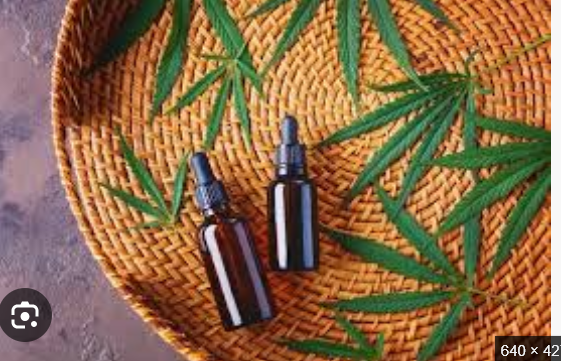
Plant-based wellness has become an increasingly popular topic as consumers explore different ingredients and products for their personal care routines. Among the compounds attracting attention is cannabidiol, commonly known as CBD. Extracted from the cannabis plant, CBD has become a recognised ingredient in the wellness, beauty, and personal care industries.
Unlike THC, CBD does not produce the intoxicating high commonly associated with cannabis. Its growing popularity has encouraged researchers to investigate its properties and manufacturers to introduce new product formulations.
Understanding Plant-Based Wellness
Plant-based wellness involves exploring products and ingredients derived from plants. These may include botanical oils, herbal extracts, natural fibres, and other plant-derived compounds.
CBD has become part of this trend because of its interesting biological properties and increasing presence in consumer products.
However, plant-derived ingredients are not automatically safe or effective. Their benefits and risks depend on their chemical composition, concentration, formulation, and quality.
Why Consumers Are Interested in CBD
One reason for CBD’s growing popularity is the increasing interest in alternative wellness ingredients.
CBD interacts with the body’s endocannabinoid system, which contributes to regulating several physiological functions, including mood, appetite, sleep, and pain perception.
Scientists are continuing to investigate these interactions to understand the potential applications of cannabidiol.
Although research has established certain medical uses for prescription CBD, many general wellness claims remain unsupported by strong clinical evidence.
CBD in Everyday Products
The expanding CBD market offers different formulations for consumers.
- CBD Oils: Liquid products containing cannabidiol and carrier oils.
- CBD Capsules: Convenient formulations with measured amounts.
- CBD Gummies: Flavoured products containing CBD.
- CBD Creams: Topical formulations designed for external application.
- CBD Skincare: Cosmetic products containing cannabidiol alongside other ingredients.
Consumers should remember that these formulations differ in composition, absorption, and potential effects.
The Importance of Responsible Sourcing
Plant-based products depend heavily on the quality of their agricultural ingredients.
For CBD, responsible sourcing involves selecting suitable hemp varieties, monitoring cultivation conditions, and maintaining traceability throughout production.
Manufacturers should also use appropriate extraction methods and independent laboratory testing.
Testing can help verify cannabinoid concentrations and identify unwanted substances, including pesticides, heavy metals, and residual solvents.
Safety and Informed Decisions
CBD may cause side effects, including fatigue, diarrhoea, and changes in appetite. It can also interact with certain medications and affect liver function.
Anyone taking prescription medicines or managing an existing health condition should consult a healthcare professional before using CBD.
Pregnant and breastfeeding individuals should avoid CBD unless advised otherwise by a qualified healthcare professional.
Consumers should also check the legal status of CBD products in their country before purchasing them.
The Future of Plant-Based CBD Products
The future of CBD will likely involve better research, improved agricultural practices, and more transparent manufacturing.
Companies are exploring new formulations and product combinations while researchers continue examining its potential applications.
As scientific knowledge develops, consumers may gain a clearer understanding of which CBD products have genuine benefits and which claims remain unproven.
Conclusion
CBD has become an important part of the growing plant-based wellness conversation. Its presence in oils, skincare, and personal care products reflects changing consumer interests. However, responsible product selection requires scientific evidence, reliable testing, and realistic expectations. Continued research and transpa
Leave a Reply