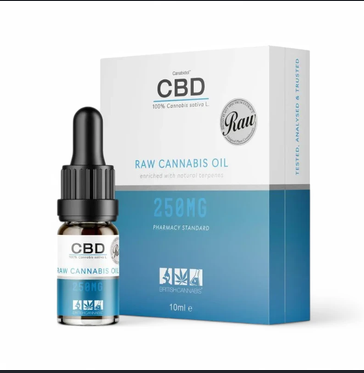
Cannabidiol, commonly known as CBD, is a natural chemical compound found in the cannabis plant. It has become increasingly popular because of growing interest in its possible health applications. Unlike THC, another well-known cannabis compound, CBD does not produce the typical intoxicating effects associated with cannabis. However, people should understand its uses, limitations, and possible risks before considering CBD products.
CBD is available in different forms, including oils, capsules, creams, lotions, and other products. These products are marketed for various purposes, such as relaxation, pain management, and general wellness. However, not all advertised benefits are supported by strong scientific evidence.
One of the most established medical uses of CBD is in certain types of epilepsy. Prescription cannabidiol medicines have been approved in some countries for treating specific seizure disorders. These medicines are used under medical supervision and are different from ordinary CBD products sold in shops.
Researchers are also studying the possible effects of CBD on anxiety and sleep. Some early studies suggest that CBD may have potential in these areas, but more research is needed to understand its effectiveness and appropriate uses. People experiencing anxiety or sleeping difficulties should consult qualified healthcare professionals rather than depending on unverified products.
CBD is also found in topical products such as creams and lotions. Some companies advertise these products for muscle discomfort and joint problems. However, scientific evidence supporting many of these claims remains limited. Consumers should be careful about products that promise to cure diseases or provide immediate results.
Although CBD is often marketed as natural, it is not completely risk-free. Some people may experience side effects, including tiredness, diarrhoea, changes in appetite, and changes in liver enzyme levels. CBD can also interact with certain prescription medicines and may affect how the liver processes medications.
Product quality is another important concern. Some CBD products may contain inaccurate amounts of CBD or unwanted substances, including THC and contaminants. Therefore, consumers should avoid unverified products and seek advice from qualified medical professionals.
Legal regulations surrounding CBD differ between countries. Before purchasing or using CBD, people should understand the laws that apply in their location. In Pakistan, consumers should check applicable national regulations rather than assuming that all CBD products are legally available.
Education and scientific research are important for understanding CBD. Universities, medical researchers, and healthcare organizations continue to investigate its possible applications, safety, and long-term effects.
In conclusion, CBD is a compound that has attracted considerable attention in healthcare research. Although it has established medical uses for certain epilepsy conditions, many other advertised health benefits still require stronger scientific evidence. Responsible use, medical guidance, product quality, and awareness of local laws are essential. People should make informed health decisions based on reliable scientific information rather than marketing claims.
Plant-based wellness has become an increasingly popular topic as consumers explore different ingredients and products for their personal care routines. Among the compounds attracting attention is cannabidiol, commonly known as CBD. Extracted from the cannabis plant, CBD has become a recognised ingredient in the wellness, beauty, and personal care industries.
Unlike THC, CBD does not produce the intoxicating high commonly associated with cannabis. Its growing popularity has encouraged researchers to investigate its properties and manufacturers to introduce new product formulations.
Understanding Plant-Based Wellness
Plant-based wellness involves exploring products and ingredients derived from plants. These may include botanical oils, herbal extracts, natural fibres, and other plant-derived compounds.
CBD has become part of this trend because of its interesting biological properties and increasing presence in consumer products.
However, plant-derived ingredients are not automatically safe or effective. Their benefits and risks depend on their chemical composition, concentration, formulation, and quality.
Why Consumers Are Interested in CBD
One reason for CBD’s growing popularity is the increasing interest in alternative wellness ingredients.
CBD interacts with the body’s endocannabinoid system, which contributes to regulating several physiological functions, including mood, appetite, sleep, and pain perception.
Scientists are continuing to investigate these interactions to understand the potential applications of cannabidiol.
Although research has established certain medical uses for prescription CBD, many general wellness claims remain unsupported by strong clinical evidence.
CBD in Everyday Products
The expanding CBD market offers different formulations for consumers.
CBD Oils: Liquid products containing cannabidiol and carrier oils.
CBD Capsules: Convenient formulations with measured amounts.
CBD Gummies: Flavoured products containing CBD.
CBD Creams: Topical formulations designed for external application.
CBD Skincare: Cosmetic products containing cannabidiol alongside other ingredients.
Consumers should remember that these formulations differ in composition, absorption, and potential effects.
The Importance of Responsible Sourcing
Plant-based products depend heavily on the quality of their agricultural ingredients.
For CBD, responsible sourcing involves selecting suitable hemp varieties, monitoring cultivation conditions, and maintaining traceability throughout production.
Manufacturers should also use appropriate extraction methods and independent laboratory testing.
Testing can help verify cannabinoid concentrations and identify unwanted substances, including pesticides, heavy metals, and residual solvents.
Safety and Informed Decisions
CBD may cause side effects, including fatigue, diarrhoea, and changes in appetite. It can also interact with certain medications and affect liver function.
Anyone taking prescription medicines or managing an existing health condition should consult a healthcare professional before using CBD.
Pregnant and breastfeeding individuals should avoid CBD unless advised otherwise by a qualified healthcare professional.
Consumers should also check the legal status of CBD products in their country before purchasing them.
The Future of Plant-Based CBD Products
The future of CBD will likely involve better research, improved agricultural practices, and more transparent manufacturing.
Companies are exploring new formulations and product combinations while researchers continue examining its potential applications.
As scientific knowledge develops, consumers may gain a clearer understanding of which CBD products have genuine benefits and which claims remain unproven.
Conclusion
CBD has become an important part of the growing plant-based wellness conversation. Its presence in oils, skincare, and personal care products reflects changing consumer interests. However, responsible product selection requires scientific evidence, reliable testing, and realistic expectations. Continued research and transpa
The cannabidiol industry is expanding as consumers become increasingly interested in wellness products and plant-derived ingredients. Commonly known as CBD, cannabidiol is a naturally occurring compound found in the cannabis plant. It is now included in various products, such as oils, capsules, creams, and skincare formulations.
As the market grows, transparency has become an important factor in building consumer confidence. People want to know where products come from, how they are manufactured, and whether their ingredients meet appropriate quality standards.
Why Transparency Matters in the CBD Industry
Transparency helps consumers understand exactly what they are purchasing. CBD products can vary significantly in concentration, composition, and manufacturing quality.
Some products contain purified cannabidiol, while others include additional cannabinoids and plant compounds. Without clear labelling, consumers may struggle to understand these differences.
Manufacturers that provide accurate product information can help customers make better purchasing decisions.
The Importance of Clear Labelling
Product labels are an essential source of information. A reliable CBD product should provide details about its ingredients, cannabinoid concentration, serving information, and storage requirements.
Consumers should also be able to identify the manufacturer and access relevant quality-testing information.
Clear labelling reduces confusion and makes it easier to compare different products.
Independent Laboratory Testing
Third-party laboratory testing is another important part of transparency.
Independent laboratories can examine CBD products to verify cannabinoid concentrations and identify possible contaminants.
A certificate of analysis may include information about:
CBD and THC concentrations.
Other cannabinoid content.
Heavy metals.
Pesticide residues.
Residual solvents.
Microbial contamination.
Consumers should check that laboratory reports correspond to the exact product batch they intend to purchase.
Responsible Marketing Practices
CBD marketing should be based on accurate information rather than exaggerated promises.
Some companies advertise CBD as a solution for numerous health conditions, even when strong scientific evidence is unavailable.
Responsible manufacturers should distinguish between established medical applications, ongoing scientific research, and unproven wellness claims.
This approach supports consumer education and helps prevent misleading expectations.
Transparency Throughout the Supply Chain
Product transparency should begin with agricultural sourcing and continue through extraction, manufacturing, testing, and distribution.
Manufacturers should understand where their raw materials originate and maintain appropriate records throughout production.
Traceability can help identify quality problems and improve accountability.
It also allows businesses to demonstrate compliance with relevant industry standards and regulations.
Safety and Consumer Protection
CBD is not completely risk-free. Potential side effects include tiredness, diarrhoea, and changes in appetite.
It can also interact with certain medications and affect liver function. Consumers taking prescription medicines should consult healthcare professionals before using CBD.
Pregnant and breastfeeding individuals should avoid CBD unless specifically advised otherwise by a qualified healthcare professional.
The Future of CBD Transparency
As the CBD market develops, consumers are likely to demand more detailed information about product quality and manufacturing practices.
Improved testing technology, stronger regulations, and accessible laboratory reports may help establish higher industry standards.
Companies that prioritise honesty and accountability can contribute to a more trustworthy marketplace.
Conclusion
Transparency is essential for the responsible development of the CBD industry. Accurate labelling, independent testing, reliable sourcing, and honest marketing help consumers understand the products they purchase. As public awareness increases, businesses that prioritise product quality and clear communication will play an important role in shaping the future of CBD.
The global cannabidiol industry has attracted increasing attention from businesses, researchers and consumers. CBD, commonly known as cannabidiol, is a natural compound found in cannabis plants and is used in several consumer product categories.
As awareness of CBD increases, different markets are exploring its commercial possibilities, manufacturing standards and regulatory requirements.
Understanding the Global CBD Market
CBD products are available in several forms, including oils, capsules, creams, gummies and cosmetic formulations.
Demand for these products is influenced by consumer awareness, scientific research, product innovation and changing regulations.
Different countries have developed different approaches to CBD cultivation, manufacturing and sales.
Major Factors Influencing Market Development
Several factors influence the development of the CBD industry.
Growing interest in hemp-derived products.
Improvements in extraction technology.
Increased attention to laboratory testing.
Development of new product formulations.
Changes in international regulations.
These factors contribute to opportunities and challenges for manufacturers and retailers.
Product Innovation Across Markets
Businesses are exploring new ways to incorporate CBD into consumer products.
Some manufacturers focus on cosmetic formulations, while others develop oils, capsules and specialised wellness products.
However, innovation must be supported by appropriate product testing and regulatory compliance.
International Trade and Regulations
International CBD trade can be complicated because countries have different legal requirements.
Product classification, THC limits, import restrictions and manufacturing standards may vary.
Businesses involved in international distribution should understand the regulations in both the manufacturing country and the destination market.
The Importance of Consumer Confidence
Consumer confidence depends on transparent product information and responsible marketing.
Independent laboratory reports, accurate ingredient labels and reliable manufacturing practices can help establish trust.
Companies should avoid making unsupported claims about medical benefits.
Future Market Opportunities
The CBD industry may continue developing through scientific research, manufacturing improvements and new commercial applications.
Agriculture, laboratory testing, cosmetics and product development may all offer opportunities for responsible businesses.
Conclusion
The global CBD market continues to evolve through changing consumer interests, technological improvements and regulatory developments. Businesses that prioritise transparency, quality and legal compliance will be better positioned to operate responsibly in this chan
Scientific research continues to explore naturally occurring compounds and their interactions with the human body. One compound attracting considerable attention is cannabidiol, commonly known as CBD.
Found in cannabis plants, CBD has become an important subject in pharmacological and medical research.
Understanding Cannabidiol
CBD belongs to a group of compounds known as cannabinoids. Unlike THC, it does not produce the typical intoxicating effects associated with cannabis.
Scientists are studying how CBD interacts with different biological pathways, including systems involved in inflammation, mood and neurological activity.
CBD and Neurological Research
One established medical application of prescription cannabidiol involves certain rare forms of epilepsy.
Clinical evidence has supported its use for specific seizure disorders, leading to the approval of prescription CBD-based medicines in several jurisdictions.
Researchers are also investigating other neurological applications, although many remain experimental.
Exploring CBD and Inflammation
Another area of scientific interest involves CBD and biological processes associated with inflammation.
Laboratory studies have explored how cannabidiol may influence certain inflammatory pathways.
However, findings from laboratory research cannot automatically be applied to humans. More clinical studies are required to establish meaningful medical benefits.
The Importance of Clinical Research
Clinical trials help researchers understand the safety and effectiveness of potential treatments.
CBD studies need to examine several factors, including:
Appropriate formulations.
Different dosage levels.
Possible medication interactions.
Short-term and long-term safety.
Differences between individual participants.
These factors are essential for developing reliable medical evidence.
Challenges in CBD Research
Researchers face challenges because CBD products vary in their composition and concentration.
Differences in manufacturing methods and study designs can make research findings difficult to compare.
Standardised formulations and carefully controlled clinical trials can help address these problems.
What Could Happen Next?
Future studies may provide a clearer understanding of CBD’s biological effects and potential medical applications.
Improved scientific methods could also help identify which uses are supported by evidence and which claims remain unproven.
Conclusion
CBD continues to attract scientific interest because of its interactions with several biological systems. Although certain medical applications are established, many other potential uses require further investigation. High-quality clinical research will remain essential to understanding the future of cannabidiol.
vThe cannabidiol industry has grown considerably as consumers become more interested in understanding alternative wellness ingredients. Commonly known as CBD, cannabidiol is a naturally occurring compound found in the cannabis plant. It is now used in various commercial products, including oils, capsules, creams, and skincare formulations.
Unlike THC, CBD does not produce the intoxicating high commonly associated with cannabis. Its growing popularity has encouraged manufacturers to introduce different products while increasing public interest in product quality, safety, and scientific research.
Understanding CBD Products
CBD products are available in several forms, each designed for different consumer preferences. CBD oils are among the most recognised options, while capsules and softgels provide convenient measured servings.
Gummies offer another popular format, and topical creams are designed for external application. CBD is also appearing in cosmetic products such as moisturisers and facial serums.
Although these products contain the same general compound, their formulations, concentrations, and absorption characteristics can vary.
Why Consumer Awareness Matters
As the CBD market expands, consumers need accurate information before purchasing products. Attractive packaging and promotional descriptions do not always reflect product quality.
Understanding CBD concentration, ingredients, and manufacturing standards can help buyers make better decisions.
Consumers should also recognise that many advertised CBD benefits have not been confirmed through strong clinical research.
Checking CBD Product Quality
Product quality is one of the most important considerations when selecting CBD products.
Reliable manufacturers should provide clear information about their products and manufacturing processes.
Important things to check include:
CBD Concentration: Verify the amount of cannabidiol in the product.
Laboratory Reports: Look for independent certificates of analysis.
Ingredients: Review all ingredients and possible allergens.
Manufacturing Standards: Research the company’s production practices.
Product Information: Check storage instructions and expiry dates.
Legal Compliance: Ensure the product meets local regulations.
Independent testing can help identify inaccurate cannabinoid concentrations and unwanted contaminants.
CBD and Scientific Research
Scientists are continuing to investigate CBD and its interaction with the endocannabinoid system. This biological system contributes to regulating several functions, including mood, sleep, appetite, and pain perception.
Prescription cannabidiol has established medical applications for certain seizure disorders. However, evidence supporting many other popular CBD uses remains limited.
Further clinical research is necessary to understand its potential applications and long-term effects.
Understanding Potential Risks
CBD is not completely free from side effects. Some individuals may experience fatigue, diarrhoea, or changes in appetite.
It can also interact with prescription medications and affect liver function. Anyone taking medication or managing a medical condition should consult a healthcare professional before using CBD.
Pregnant and breastfeeding individuals should avoid CBD unless specifically advised otherwise by a qualified healthcare professional.
The Future of CBD Consumer Education
As the CBD market continues to develop, consumer education will become increasingly important. Better labelling, independent testing, and transparent advertising can help people understand what they are purchasing.
Scientific research and responsible manufacturing practices will also contribute to a more trustworthy marketplace.
Conclusion
CBD products have become increasingly visible in the wellness and personal care industries. However, understanding their ingredients, quality, and possible risks is essential. Consumers who prioritise reliable information and scientific evidence can make more informed decisions about CBD while avoiding unrealistic expectations and misleading product claims.
CBD oil has become a popular product in the growing wellness market. Also known as cannabidiol oil, it is made using cannabidiol extracted from the cannabis plant and combined with a carrier oil. As interest in alternative wellness products increases, more consumers are exploring CBD oil and learning about its properties, potential applications, and safety considerations.
Unlike THC, CBD does not produce the intoxicating high commonly associated with cannabis. This distinction has helped CBD oil attract attention from researchers and consumers interested in understanding its possible effects.
What Makes CBD Oil Different?
CBD oil is available in different concentrations and formulations. Some products contain CBD alongside other naturally occurring cannabis compounds, while others use purified cannabidiol.
Carrier oils, such as hemp seed oil or coconut-derived oils, may be included to create the final formulation. Product composition can vary considerably between manufacturers, making ingredient transparency particularly important.
Common Reasons People Explore CBD Oil
CBD oil is frequently discussed in connection with several wellness topics.
1. Relaxation: Some consumers explore CBD oil as part of their relaxation routines, although evidence for treating everyday stress remains limited.
2. Sleep: Researchers are investigating whether CBD may influence sleep-related processes. However, its effectiveness for insomnia has not been firmly established.
3. Pain Research: CBD is being studied for its possible role in pain-related conditions, but evidence remains insufficient for many uses.
4. General Wellness: Some consumers include CBD products in their personal wellness routines, although general health benefits have not been conclusively demonstrated.
Understanding CBD Concentration
One important factor when comparing CBD oils is concentration. Products may contain different amounts of cannabidiol, even when their bottle sizes are similar.
Reading the product label helps consumers understand the total CBD content and the amount present per serving. It is also important to distinguish between total hemp extract and actual CBD content.
A transparent manufacturer should provide accurate information rather than relying on vague descriptions.
How to Identify a Quality Product
The quality of CBD oil depends on several factors, including extraction methods, manufacturing standards, and laboratory testing.
Before purchasing, consumers should consider:
Checking the complete ingredient list.
Reviewing independent laboratory reports.
Confirming the stated CBD concentration.
Researching the manufacturer’s reputation.
Checking local product regulations.
Avoiding exaggerated medical claims.
Third-party testing can provide useful information about cannabinoid levels and possible contaminants.
CBD Oil Safety
CBD oil may cause side effects, including fatigue, diarrhoea, and changes in appetite. It can also interact with prescription medicines and affect liver function.
People taking medication, particularly those processed by the liver, should consult a healthcare professional before considering CBD. Pregnant and breastfeeding individuals should avoid CBD unless advised otherwise by a qualified healthcare professional.
Consumers should also avoid replacing prescribed treatments with unapproved CBD products.
The Future of CBD Oil
The CBD oil industry continues to develop as scientific research and consumer awareness expand. Manufacturers are increasingly focusing on transparent labelling, consistent formulations, and independent quality testing.
Future clinical research may provide clearer answers about the potential applications and limitations of cannabidiol.
Conclusion
CBD oil has become an important topic in the modern wellness industry. Its growing popularity has created opportunities for scientific research and product innovation. However, understanding product concentration, checking quality standards, and recognising possible side effects are essential for making informed decisions.
Cannabidiol, commonly known as CBD, has become an important subject in modern scientific research. This naturally occurring cannabis compound is being studied for its interactions with the human body and its possible therapeutic applications.
As scientific interest grows, researchers are working to separate proven medical uses from claims that still require investigation.
The Science Behind CBD
CBD belongs to a group of compounds called cannabinoids. These compounds interact with different biological pathways in the body.
One area of interest is the endocannabinoid system, which contributes to regulating processes such as sleep, appetite, mood and pain perception.
CBD does not work in exactly the same way as THC, and researchers continue to investigate its various biological mechanisms.
CBD and Medical Research
One of the strongest areas of medical evidence concerns certain types of epilepsy.
Prescription cannabidiol medicine has been approved for specific seizure disorders, including certain rare forms of childhood epilepsy.
Researchers are also studying CBD in connection with inflammation, anxiety and neurological conditions. However, these research areas are at different stages, and promising early results do not necessarily demonstrate clinical effectiveness.
The Importance of Clinical Trials
Clinical trials help scientists understand whether a treatment is effective and safe.
CBD research needs larger participant groups, carefully controlled experiments and longer follow-up periods to establish its potential benefits and risks.
Researchers also need to investigate how different CBD formulations and doses affect the human body.
Challenges Facing CBD Research
Several challenges make CBD research complicated.
Products vary in their CBD concentrations.
Some products contain additional cannabinoids.
Study methods and doses are not always consistent.
Long-term safety information remains limited.
Regulations differ between countries.
These factors make it difficult to compare research findings and draw universal conclusions.
What Could the Future Hold?
Future scientific studies may provide better information about CBD’s biological effects, possible medical applications and safety profile.
Improved manufacturing standards and product testing could also help researchers and consumers understand the differences between CBD products.
Conclusion
CBD research is developing and offers several interesting areas for scientific investigation. While certain prescription applications are supported by clinical evidence, many other advertised benefits remain unproven. Continued research will be essential to understanding CBD’s role in future healthcare and wellness developments.
Cannabidiol, widely known as CBD, has become a popular subject in the modern wellness industry. Extracted from the cannabis plant, CBD is used in a variety of products, including oils, capsules, creams and skincare treatments. As interest in natural wellness continues to grow, more people are exploring what CBD is and how it may fit into their daily routines.
The Increasing Popularity of CBD
Over the past few years, CBD has attracted attention from consumers, researchers and businesses. One reason for its popularity is that CBD does not produce the intoxicating effects commonly associated with THC.
People are interested in CBD for different reasons, including relaxation, sleep support and general wellness. However, individual experiences vary, and scientific evidence supporting many commercial claims remains limited.
How Does CBD Work?
CBD interacts with the body’s endocannabinoid system, a complex network involved in regulating several important processes. These include sleep, mood, appetite and pain perception.
Researchers are still investigating exactly how CBD influences this system. Although early studies have produced interesting findings, more high-quality human research is needed to understand its potential effects.
CBD in Everyday Products
CBD is now available in many consumer products.
CBD oils are commonly marketed for general wellness.
CBD creams and balms are applied to the skin.
CBD capsules offer a convenient measured format.
CBD gummies provide an alternative edible format.
CBD skincare products are marketed for beauty and personal care.
Consumers should carefully examine product ingredients, concentrations and independent laboratory test results.
Safety and Responsible Use
CBD is not suitable for everyone. Possible side effects include drowsiness, diarrhoea and changes in appetite. It may also interact with prescription medicines.
People considering CBD should speak with a healthcare professional, especially if they take medication or have an existing medical condition.
The Future of CBD
The CBD industry continues to develop as researchers investigate its potential applications. Improved product testing, clearer regulations and more scientific studies could help consumers understand CBD more accurately.
Conclusion
CBD has established itself as a growing part of the wellness market. While it offers interesting possibilities, consumers should approach health claims carefully and prioritise reliable information. Responsible use and scientific research will remain essential to the future of CBD.
Article 3
Writing
Exploring CBD Oil and Its Potential Benefits
CBD oil has become one of the most recognised products in the growing cannabidiol market. Extracted from cannabis plants, CBD oil contains cannabidiol, a compound that does not cause the intoxicating effects associated with THC.
I have spent several years working with portable electronic vaporizer products, examining their heating technology, construction materials, and suitability for different ownership needs. Over time, I have noticed that Australian customers often approach product research with practical questions about availability, warranty coverage, battery performance, and local regulations. A dry herb vaporizer is a specialised electronic device, and its internal design deserves more attention than its exterior appearance. I usually encourage people to understand the technical differences between models before making any purchasing decision.
Why Product Design Matters in the Australian Market
I have noticed that product availability can influence purchasing decisions considerably, particularly when customers are comparing Australian retailers with overseas suppliers. Local availability may make it easier to understand warranty arrangements, customer support, and replacement component options. I also consider shipping arrangements because electronic products containing rechargeable batteries can be subject to additional transport requirements. These practical details deserve attention before someone commits to a particular model.
Australian customers can encounter several product categories, including compact portable devices and larger desktop equipment. Portable models generally prioritise smaller dimensions and rechargeable battery systems, while desktop designs can accommodate different power arrangements. I compare their physical measurements because product photographs rarely provide an accurate impression of actual size. A device measuring approximately 12 centimetres in height may feel considerably different from a larger stationary unit.
I also pay attention to the information provided by specialist retailers. Someone researching dry herb vape australia can examine Sydney Vaporizers as a specialist retail resource when reviewing available product categories and manufacturer information. I find that clearly presented specifications help customers understand differences between models without relying entirely on promotional descriptions. I still recommend checking the relevant manufacturer’s documentation before making a final decision.
Warranty coverage is another detail I would never overlook. Australian Consumer Law provides consumer guarantees for eligible purchases, although the specific rights and remedies depend on the circumstances of the transaction. I recommend checking the seller’s business location, warranty conditions, and return arrangements before ordering. These details become particularly relevant when purchasing specialised electronic equipment.
Heating Systems and Internal Components
Heating technology is one of the first technical areas I examine during a product comparison. Conduction systems transfer heat through direct contact with a heated surface, while convection systems use heated air moving through a chamber. Some manufacturers combine both methods within a single design. The choice of heating arrangement affects the engineering requirements and the way manufacturers manage temperature distribution.
Chamber construction deserves equal attention. I have examined products containing ceramic and stainless steel components, each selected for particular thermal and manufacturing characteristics. Ceramic is generally associated with thermal stability, while stainless steel offers mechanical strength and durability. I avoid making broad claims about one material being universally superior because chamber design and manufacturing quality also influence performance.
Temperature controls vary between manufacturers. Some models provide simple preset settings, while others include digital displays and adjustable temperature ranges. A display offering one-degree increments may appear precise, but the displayed temperature does not necessarily represent every point inside the heating chamber. I prefer checking technical documentation for information about sensor placement and temperature regulation.
Airflow is another component I consider during an inspection. Internal air channels must be designed around the chamber, housing, and other electronic components. Poorly accessible airflow pathways can make maintenance more difficult over time. I look for designs that explain how removable screens and other serviceable parts should be handled.
Battery Performance and Charging Requirements
Portable electronic equipment depends heavily on battery design. Manufacturers commonly express battery capacity in milliampere-hours, or mAh, which provides an indication of electrical storage capacity. However, actual operating time also depends on heating power, temperature settings, battery condition, and the efficiency of the electronics. I never assume that two devices with identical capacity figures will provide identical operating performance.
Charging connections have also changed considerably. USB-C has become common across many modern electronic products, although some specialised devices still use proprietary connections. I generally prefer products with clearly documented charging requirements and readily available replacement cables. The manufacturer’s instructions should always determine which charging adapters are suitable.
Battery safety deserves particular attention in Australia’s warmer regions. High temperatures can affect rechargeable battery performance and may increase the risk of battery damage. I recommend following the manufacturer’s storage instructions and avoiding direct sunlight or hot vehicles. A swollen or damaged battery should never be treated as a minor cosmetic problem.
I also inspect the charging port and surrounding housing. Loose connections can develop into practical problems after repeated cable use, especially when the device is frequently transported. A properly fitted port should feel secure during normal connection and disconnection. Small construction details can make a difference to long-term reliability.
Cleaning, Storage, and Replacement Accessories
Maintenance is one area I believe customers should understand before purchasing any electronic vaporizer. Removable screens, chamber components, and mouthpiece sections may require periodic cleaning according to the manufacturer’s instructions. I always make sure a device is switched off and completely cool before inspecting its removable components. Electrical connections and battery compartments must remain protected from liquids.
Cleaning access varies between manufacturers. Some products allow straightforward removal of particular components, while others have more complicated internal arrangements. I prefer designs that clearly identify which parts are suitable for owner maintenance. Attempting to dismantle sealed electronic sections can cause unnecessary damage and may affect warranty coverage.
Replacement accessories can also influence the overall ownership experience. I check whether manufacturers provide compatible mouthpieces, screens, seals, and other removable parts. A product might initially appear reasonably priced, but limited accessory availability can make future maintenance inconvenient. I once encountered an older electronic product whose owner had difficulty finding a compatible replacement mouthpiece, despite the device itself remaining functional.
Storage conditions matter as well. I recommend keeping electronic equipment in a dry location away from excessive heat and physical pressure. A suitable protective case may help prevent scratches and accidental impacts during transport. Owners should also keep devices and associated accessories away from children and pets.
Australian Regulations and Responsible Product Research
I always encourage Australian customers to check the legal position before researching or purchasing vaporizer-related equipment. Australian laws governing cannabis, medicinal cannabis, smoking accessories, and electronic devices can differ depending on the product and intended use. The distinction between possessing a device and possessing or using a regulated substance is particularly important. I would never assume that an item available through an overseas website can automatically be imported or possessed legally in Australia.
Medicinal cannabis is subject to specific Australian regulatory arrangements. Access generally involves appropriate medical authorisation and compliance with applicable state or territory requirements. I recommend checking current information from the Therapeutic Goods Administration and relevant state authorities rather than relying on informal online discussions. Importation rules can also apply to products that might appear straightforward to purchase from overseas retailers.
Health considerations should remain part of the decision. Vaporisation does not establish that inhaling heated plant material is harmless, and potential respiratory effects remain relevant. The risks can vary according to the material, contaminants, individual health circumstances, and exposure. Anyone considering inhaled products should consult a qualified healthcare professional and review reliable health information.
I also distinguish between manufacturer marketing and independently established product information. Claims about temperature accuracy, battery longevity, and material safety should be supported by appropriate technical documentation. Customer reviews can provide useful observations, but one person’s experience cannot establish that every unit will perform identically. I prefer looking for consistent feedback across multiple independent sources.
What I Examine Before Choosing an Australian Retailer
Retailer information can make a substantial difference during product research. I examine whether the business provides clear contact details, accurate product descriptions, and understandable warranty conditions. Australian customers should also establish whether a retailer is based locally or ships products from another country. This distinction can affect delivery expectations and the process for resolving product problems.
I pay attention to product availability as well. A website may display a particular model even when its current stock position is uncertain. Before making payment, I would confirm availability, expected delivery arrangements, and whether replacement accessories can be supplied later. Clear communication can prevent unnecessary confusion.
Price comparisons require some care. I consider the advertised price alongside shipping charges, applicable taxes, warranty arrangements, and potential replacement costs. A cheaper overseas listing may not provide the same support arrangements as an Australian retailer. I would rather understand the complete purchasing conditions than make a decision based on the headline price alone.
My experience examining electronic vaporizer products has taught me to pay close attention to the details that are easy to overlook. I look for clear technical specifications, reliable manufacturer documentation, accessible replacement components, and transparent retailer policies. In Australia, I would place legal compliance and health considerations alongside those purchasing factors. Careful research makes it easier to understand the product and avoid assumptions based on advertising alone.