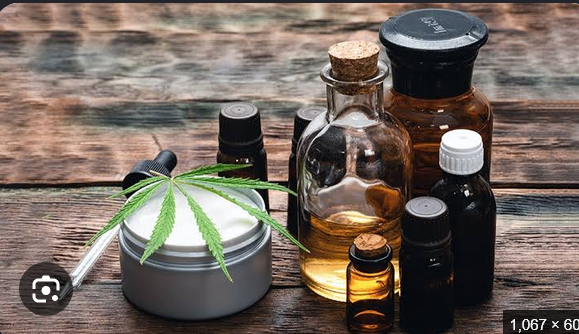
vThe cannabidiol industry has grown considerably as consumers become more interested in understanding alternative wellness ingredients. Commonly known as CBD, cannabidiol is a naturally occurring compound found in the cannabis plant. It is now used in various commercial products, including oils, capsules, creams, and skincare formulations.
Unlike THC, CBD does not produce the intoxicating high commonly associated with cannabis. Its growing popularity has encouraged manufacturers to introduce different products while increasing public interest in product quality, safety, and scientific research.
Understanding CBD Products
CBD products are available in several forms, each designed for different consumer preferences. CBD oils are among the most recognised options, while capsules and softgels provide convenient measured servings.
Gummies offer another popular format, and topical creams are designed for external application. CBD is also appearing in cosmetic products such as moisturisers and facial serums.
Although these products contain the same general compound, their formulations, concentrations, and absorption characteristics can vary.
Why Consumer Awareness Matters
As the CBD market expands, consumers need accurate information before purchasing products. Attractive packaging and promotional descriptions do not always reflect product quality.
Understanding CBD concentration, ingredients, and manufacturing standards can help buyers make better decisions.
Consumers should also recognise that many advertised CBD benefits have not been confirmed through strong clinical research.
Checking CBD Product Quality
Product quality is one of the most important considerations when selecting CBD products.
Reliable manufacturers should provide clear information about their products and manufacturing processes.
Important things to check include:
- CBD Concentration: Verify the amount of cannabidiol in the product.
- Laboratory Reports: Look for independent certificates of analysis.
- Ingredients: Review all ingredients and possible allergens.
- Manufacturing Standards: Research the company’s production practices.
- Product Information: Check storage instructions and expiry dates.
- Legal Compliance: Ensure the product meets local regulations.
Independent testing can help identify inaccurate cannabinoid concentrations and unwanted contaminants.
CBD and Scientific Research
Scientists are continuing to investigate CBD and its interaction with the endocannabinoid system. This biological system contributes to regulating several functions, including mood, sleep, appetite, and pain perception.
Prescription cannabidiol has established medical applications for certain seizure disorders. However, evidence supporting many other popular CBD uses remains limited.
Further clinical research is necessary to understand its potential applications and long-term effects.
Understanding Potential Risks
CBD is not completely free from side effects. Some individuals may experience fatigue, diarrhoea, or changes in appetite.
It can also interact with prescription medications and affect liver function. Anyone taking medication or managing a medical condition should consult a healthcare professional before using CBD.
Pregnant and breastfeeding individuals should avoid CBD unless specifically advised otherwise by a qualified healthcare professional.
The Future of CBD Consumer Education
As the CBD market continues to develop, consumer education will become increasingly important. Better labelling, independent testing, and transparent advertising can help people understand what they are purchasing.
Scientific research and responsible manufacturing practices will also contribute to a more trustworthy marketplace.
Conclusion
CBD products have become increasingly visible in the wellness and personal care industries. However, understanding their ingredients, quality, and possible risks is essential. Consumers who prioritise reliable information and scientific evidence can make more informed decisions about CBD while avoiding unrealistic expectations and misleading product claims.
Leave a Reply